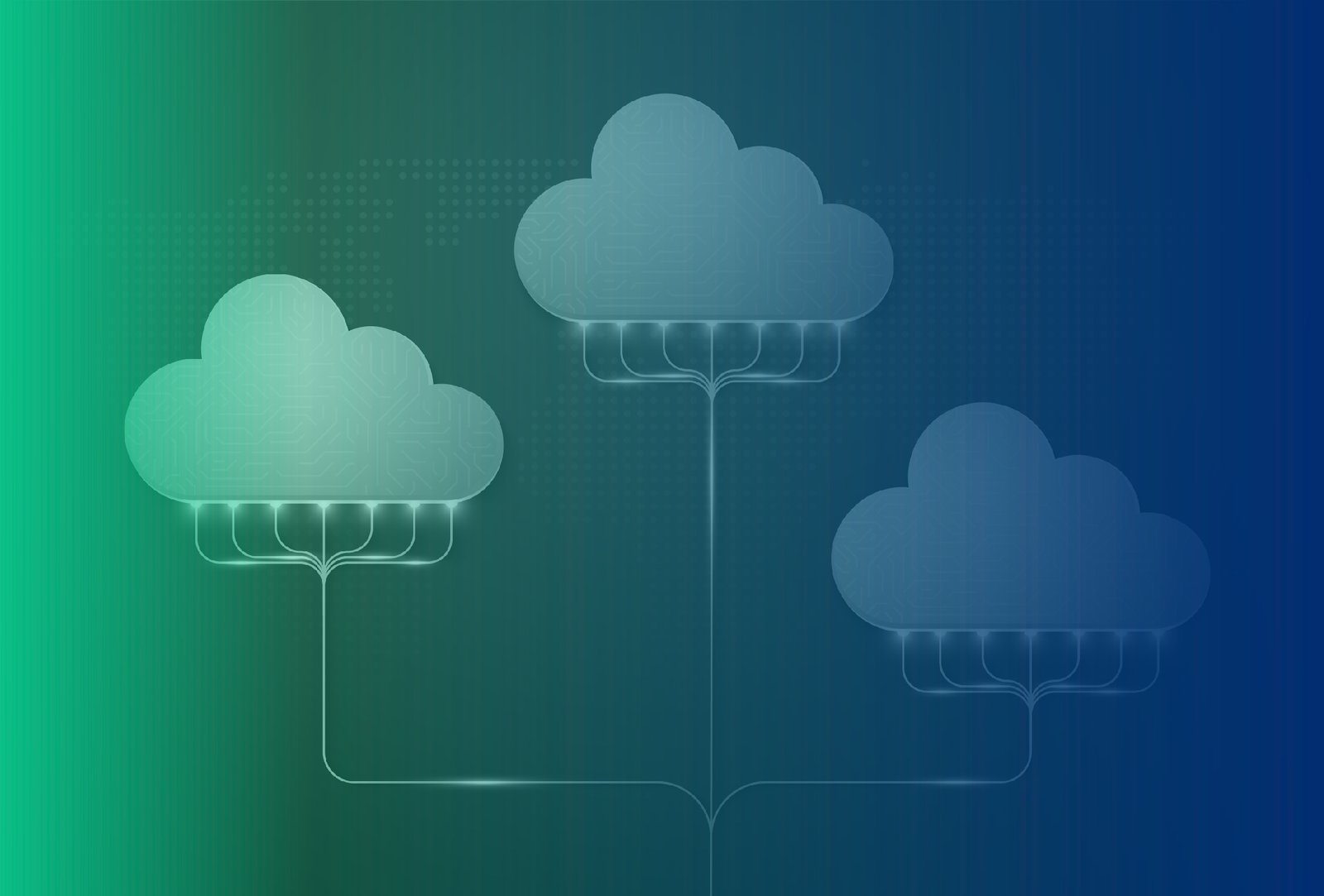

The hybrid cloud is the best of both worlds in the world of data processing, as it allows data and applications to be shared in both the public and private clouds. These three styles of data storage and processing are widely used by many companies. However, some organizations still opt for a fourth style of cloud: the multi-cloud. This style allows data and applications to be shared across multiple public, private and hybrid clouds.
While in the private cloud the system operates in a company-owned or subleased datacenter, in the public cloud several servers from different companies work to store data and applications. Hybrid and multi-clouds, on the other hand, work all the time by mixing these two worlds, according to the objectives of those who use them.
Among the advantages of using a hybrid cloud are the instant increase in storage capacity, as well as the reduction in the time and cost of buying, installing and maintaining new servers, which are not always necessary. But what really makes this style of storage worthwhile is the agility it gives companies in digital transformation.
Every organization that manages technology works under two agendas: the IT agenda, focused on saving money, and the business transformation agenda, focused on investing more money. In other words, your company may want and, in fact, need to combine public and private clouds.
It's important to remember that not everything belongs in a public cloud. That's why many companies are opting for the hybrid cloud, which offers the benefits of both public and private clouds, as well as taking advantage of the existing architecture in a datacenter.
Below are the advantages and disadvantages of private and public clouds:
Public cloud
Advantages
- Scalability (up and down)
- Lower investment (capex)
- Reliability
Disadvantages
- Less control over data security
- Higher operating expenses (opex)
Private cloud
Advantages
- Security
- Potentially lower TCO
- Greater control and customization
- Flexible data handling
Disadvantages
- Higher costs
- More responsibilities
- Less flexibility in scalability
The scenarios for the hybrid cloud are many and very promising:
- Dynamic or frequently changing workloads
- Possibility of separating critical workloads from less sensitive workloads
- Big Data Processing
- Switch to the cloud gradually, at your own pace
- Temporary processing capacity needs
- Flexibility for the future
SBA Edge's cloud expertise helps your company eliminate the stress of running an infrastructure in any cloud. Be it public, private or even hybrid. The solution designers work closely with the client's objectives to architect the one that is ideal for the business.
The cloud environment is managed at an enterprise level with highly secure Infrastructure as a Service (IaaS) for web, mobile devices and applications, without the hassle and cost of doing it yourself. The SBA Edge cloud is flexible, scalable and easy to deploy, but someone still needs to run it. We'll focus on your infrastructure so you can focus on your business.
It is worth remembering that private clouds are pools of resources that must be operated, controlled and managed by a highly qualified team that is available every day of the week, 24 hours a day. The experience in virtualization and managed services available means that SBA Edge can handle the complexities of managing these environments.
If you consider that it's not always possible to predict what your company's needs will be, there's no reason to limit your options. By choosing the hybrid cloud, you get the best of both worlds at the same time. SBA Edge combines the efficiency and flexibility of cloud computing with expertise in managed hosting and colocation to create the right cloud for you and your business.